
Why ALTA Surveys Matter When Buying Older Commercial Properties
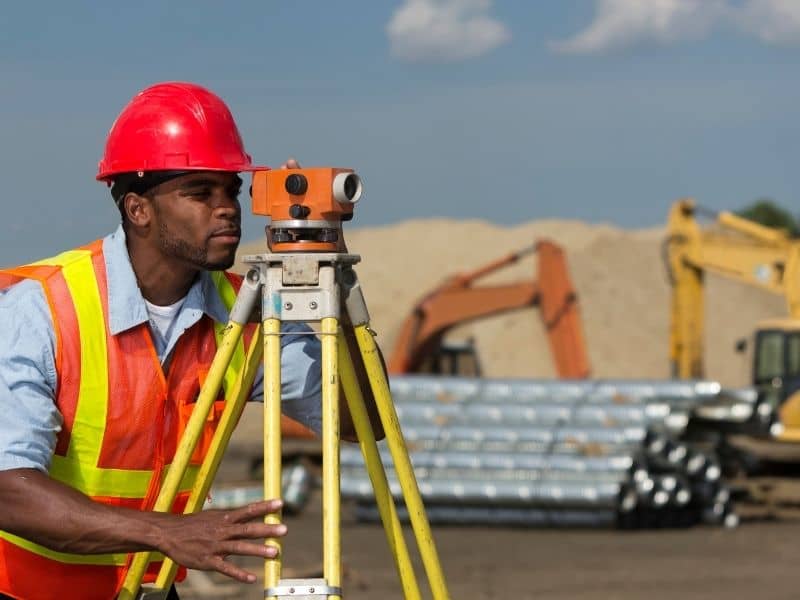
An ALTA survey is a detailed land survey that checks a commercial property’s boundaries, structures, easements, and access rights. For older properties, it confirms what is physically on the ground today versus what official records show, helping buyers, lenders, and title companies understand the property before a transaction closes.
Buying an older commercial property comes with a layer of risk that newer properties usually do not have. Decades of ownership mean decades of changes. Buildings get added. Driveways shift. Fences move. Utilities get rerouted. Through all of that, the legal records do not always get updated to match. An ALTA survey addresses this problem directly. It follows standards set by the American Land Title Association and the National Society of Professional Surveyors, last updated in 2021, and it gives everyone involved a clear, current picture of the property before any money changes hands.
What an ALTA Survey Actually Does
ALTA survey compares a commercial property’s physical features against its official legal records. It identifies boundary lines, structures, easements, encroachments, and access rights so buyers have an accurate view of the property before closing.
Most people assume that what they see when they walk a property matches what is in the legal documents. For older commercial properties, that is often not the case. A property that has changed hands several times over 40 or 50 years may have structures in the wrong place, driveways that were repaved differently, or utility lines buried along new routes without updated documentation.
An ALTA survey goes beyond a standard boundary survey. A basic boundary survey maps only the property lines. An ALTA survey also covers improvements on the land, easements and access rights, encroachments, and anything else that affects how the property can be used. Most commercial lenders require an ALTA survey before issuing a loan commitment, which is a strong signal of how much weight the industry places on this type of review.
Common issues an ALTA survey uncovers in older commercial properties:
- Buildings or structures that extend beyond the recorded boundary line
- Parking areas or driveways built without updated site plans on record
- Utility lines rerouted without new easement documentation
- Old access agreements that were never formally recorded
- Fences or walls placed in the wrong location over time
When these issues surface before closing, they are manageable. When they surface after closing, they become the new owner’s problem to solve alone.
Understanding Easements and Access Rights
An easement gives another party the legal right to use a portion of a property for a specific purpose. ALTA surveys identify and map easements so buyers know exactly which parts of the land carry restrictions before they finalize a purchase.
One of the more complex things an ALTA survey reveals is easements. An easement is a legal right that allows someone outside of the ownership to use part of the property. That could be a utility company with the right to access buried gas lines, or a neighboring business with a shared driveway arrangement.
Easements stay attached to the property even after it changes hands. A new owner does not get to remove them. That makes it important to know what easements exist before buying, because they can affect future development plans, renovation projects, and day-to-day use of the land.
Types of easements an ALTA survey can identify:
- Utility easements: for power lines, water pipes, gas lines, or sewer access
- Ingress/egress easements: shared driveways or access paths for neighboring properties
- Drainage easements: corridors reserved for stormwater management
- Conservation easements: restrictions on how portions of the land can be developed
- Party wall agreements: shared walls between attached structures
Some easements are easy to spot. Others are buried in decades-old legal documents that are easy to overlook. An ALTA survey maps where each easement sits on the land and what it covers, so there are no surprises tied to rights that already exist.
How This Information Supports the Transaction
ALTA survey findings give buyers, lenders, and title companies a shared, verified understanding of a commercial property. That clarity supports accurate financing decisions, cleaner title insurance, and better-informed negotiations before closing.
An ALTA survey does not just serve the buyer. Several parties in a commercial real estate transaction rely on the same findings.
- Buyers use it to understand exactly what they are purchasing before they commit
- Lenders use it to confirm that the property is a sound asset worth financing
- Title companies use it to issue title insurance with a full view of the property’s conditions
- Attorneys use it to review access rights, legal conflicts, and potential issues before the transaction is final
Having this information before closing gives the buyer time to act on it. If the survey turns up an encroachment, the buyer can ask the seller to resolve it. If an easement blocks a planned renovation, the buyer can revisit the purchase price or reconsider the deal entirely. Without this information, those conversations happen after closing, at a much higher cost.
The Risk of Skipping the Survey
Land problems found after a commercial property closes become the new owner’s full responsibility. Boundary disputes, unresolved easements, and encroachments can result in legal fees between $10,000 and $100,000 or more, construction delays, and lost rental income.
Once a commercial sale closes, the new owner takes on every problem that comes with the property, including the ones nobody mentioned. Real estate legal disputes involving boundary issues and encroachments can cost property owners $10,000 to $100,000 or more in legal fees, depending on the complexity of the case and the jurisdiction. Construction delays, permit holds, and lost rental income from extended disputes can push that number higher.
A standard ALTA survey for a commercial property typically takes two to four weeks to complete. Ordering it early in the process, ideally soon after a purchase agreement is signed, gives all parties enough time to review the findings and respond to any issues before the closing date.
The survey does not need to be viewed as a safeguard or a formality. It is simply a reliable way to understand what a property actually is before committing to it.
Frequently Asked Questions
Why do older commercial properties need an ALTA survey more than newer ones? Older properties have typically gone through more ownership changes, physical modifications, and record updates over the years. Each change carries the risk that documentation did not keep up with what actually happened on the ground. An ALTA survey brings the current state of the property into focus, regardless of what past records say.
How is an ALTA survey different from a standard boundary survey? A standard boundary survey maps only the property lines. An ALTA survey goes further and covers improvements on the land, easements, encroachments, access rights, and other conditions that affect how the property can be used. Commercial lenders typically require the ALTA standard before approving a loan.
Who uses the findings from an ALTA survey? Buyers, lenders, title companies, and attorneys all work with the same survey findings during a commercial real estate transaction. Each party uses the information differently, but everyone benefits from having an accurate and current picture of the property.
When is the right time to order an ALTA survey? Early in the buying process is best, ideally right after a purchase agreement is signed. Most surveys take two to four weeks to complete, so ordering early leaves enough time to review the results and address any issues before the closing date arrives.
Can the findings from an ALTA survey affect the final sale price? Yes. If the survey reveals encroachments, missing easement documentation, or other issues, the buyer may negotiate with the seller to resolve them, adjust the purchase price to reflect the risk, or revisit the terms of the deal entirely.
