
Buying a Century-Old Building? Start With an ALTA Survey
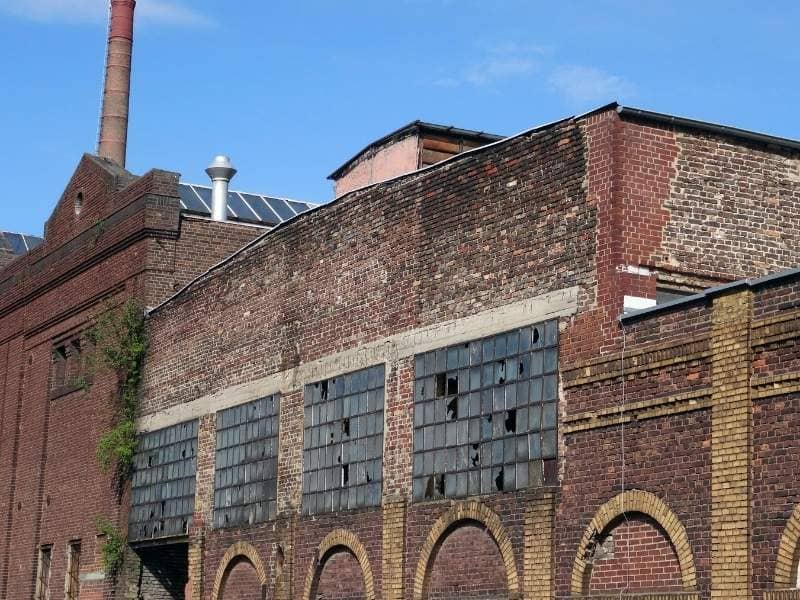
Older commercial buildings carry history and character, but they also come with hidden details that newer properties do not have. Paper records from 50 or 100 years ago often look very different from how the land and structures appear today. An ALTA survey gives you the full picture of what you are buying, and it reveals facts that standard inspections or old deeds will never show. Skipping this step can turn a promising investment into a source of costly problems later on.
Why Historic Commercial Buildings Require a Different Level of Due Diligence
Buildings that have stood for generations usually change hands many times. Each new owner may make repairs, add space, or alter the site without updating official records. Early maps and descriptions relied on simpler tools and less precise measurements than what we use today. Some markers or reference points noted in old papers no longer exist on the ground.
Because so much time has passed, the link between written records and actual conditions often grows weak. What looks like a clear line on paper may not match what fences, walls, or structures show in real life. Newer properties follow strict modern rules and updated documentation. Older sites do not always have that same consistency. You need closer checks to make sure you understand the true limits and rights that come with the land.
Property Changes Made Over Decades Can Create Unexpected Survey Findings
Many changes happen slowly over time, and no one writes them down. Owners may extend a wall, widen a driveway, or add a storage area without filing new plans. Loading docks, ramps, and utility lines can shift or expand beyond their original locations. Even when old structures are torn down, their foundations or concrete slabs may remain underground.
These changes create a gap between what documents say and what actually exists. A wall that was built ten feet inside the line years ago might now sit right at or even over the boundary. Over time, people treat these changes as normal, but they still go against the legal description. This disconnect stays hidden until someone tries to sell, refinance, or make major improvements.
How an ALTA Survey Helps Verify What You’re Actually Purchasing
An ALTA survey looks at every part of the property and compares it to official records. It measures every building, walkway, parking area, and utility line. It checks each feature against the legal description and the title report. This process shows exactly what sits within your lines and what sits outside them.
It also confirms access points, easements, and any rights that other parties may have to use the land. You get a clear map that matches both the written rules and the physical site. This level of detail lets you see the full scope of the property before you sign any final papers. It answers questions that simple visual checks cannot. You can trust the information because it comes from a careful review of both records and real-world conditions. This work relies on accurate survey data to show the true layout of the site.
Commercial Risks That Become More Expensive After the Sale
If you buy without this detailed review, you take on every problem that already exists. Encroachments may force you to move structures or pay compensation to neighbors. Limited access or hidden easements can stop you from expanding or changing the building in the future. Unrecorded uses of the land may lead to claims from other people or even legal action.
Fixing these issues after you own the property takes more time and money than solving them before closing. You lose bargaining power once the sale is final. Lenders may also reduce funding or raise rates if problems come up later. Even small mismatches can delay renovations or resale plans for months. The cost of a survey is small compared to the bills and stress that come with unknown issues.
Building a Stronger Investment Strategy With an ALTA Survey
The results of an ALTA survey do more than just find problems. They help you make smarter choices. You can use the findings to negotiate a fair price or ask the seller to resolve issues before the deal closes. Lenders feel more secure when they see clear boundaries and no hidden risks, which makes financing easier to arrange.
Developers and property managers use the information to plan renovations or expansions safely. They know exactly where they can build and where they must stay clear. This knowledge supports long-term planning and protects the value of your investment. It also gives you solid proof of conditions if you ever need to explain the property’s limits to partners or officials. Having this clear record protects your rights and gives you confidence in your purchase. You can rely on boundary details that stand up to legal and practical checks.
Frequently Asked Questions
Why are century-old commercial buildings more likely to need an ALTA Survey?
These properties have a long history of changes and transfers. Records may be incomplete, outdated, or use different measurement methods. Many physical changes were never recorded. An ALTA survey connects the past records to the current site and removes any guesswork.
Can an ALTA Survey identify changes made to a property over many decades?
Yes, it compares current measurements with historical documents and maps. It spots structures that have moved or expanded, and it finds features that no longer match the original plans. This comparison shows exactly how the site has changed over time.
How does an ALTA Survey support commercial property due diligence for historic buildings?
It provides the full legal and physical picture of the property. It confirms boundaries, rights of use, and existing improvements. This information helps you spot risks early, negotiate fairly, and make decisions based on facts rather than assumptions.
Will an ALTA Survey compare the current site with recorded property documents?
Yes, that is one of its main goals. It checks every improvement, boundary line, and access route against deeds, plats, and title records. The result is a clear view of what is on the ground and what is allowed by law.
Can lenders require an ALTA Survey when financing an older commercial building?
Many lenders do require it. Older properties carry more uncertainty, and lenders want proof that the land and structures match the legal description. This survey reduces risk for both the lender and the buyer.
